

Thermal Insulating Plaster with Granuglass – A New Standard in Facade Systems
Exterior plaster with GRANUGLASS
Plaster containing Granuglass Expanded Glass offers a modern and eco-friendly alternative to conventional façade coatings. By using natural expanded perlite instead of recycled glass, we achieve lightweight, durable, and thermally efficient plaster for external applications.

High-Performance, Natural Mineral Filler
Unlike fillers such as Poraver, which are made from recycled glass, Granuglass is a clean mineral material that provides:
-
Stable, homogeneous plaster structure
-
Lower specific weight – easier to apply
-
Enhanced water and frost resistance
-
100% natural origin – free from heavy metals or colorants
Applications of Granuglass-Based Plaster:
-
ETICS external thermal insulation systems
-
Passive and low-energy buildings
-
Mineral structural plasters with high breathability
-
UV- and pollution-resistant architectural facades
Benefits for Contractors and Architects:
-
Improved adhesion and elasticity
-
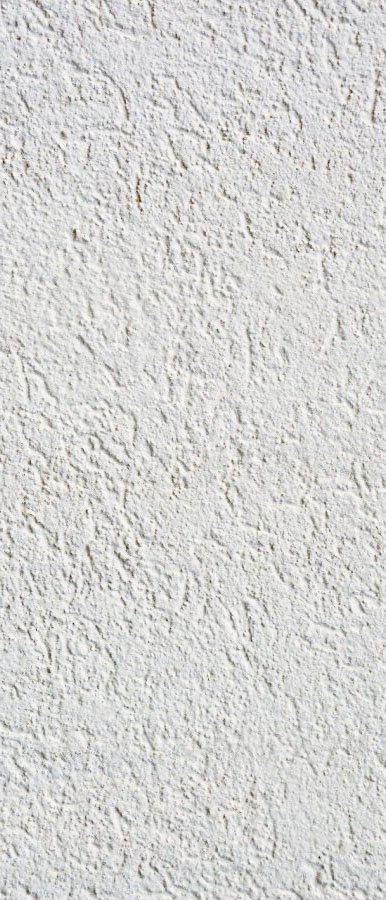
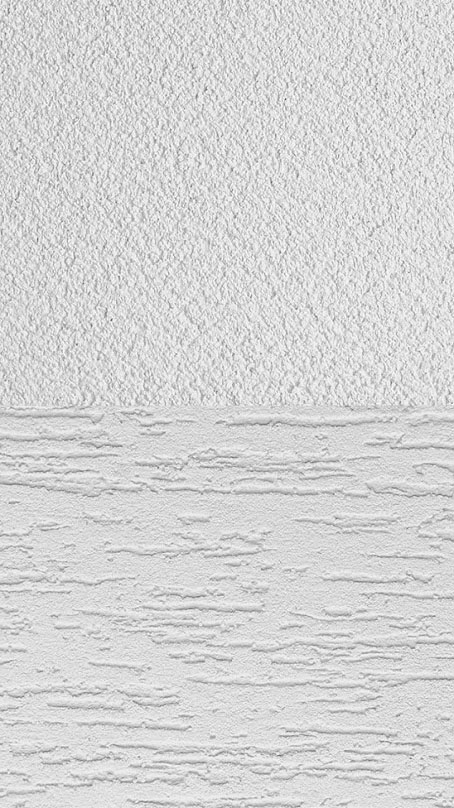
Naturally textured finish – perfect for color coating
-
Greater resistance to cracking and weathering
-
Compatibility with both mineral and polymer bonding systems
Request a Sample or Technical Sheet
Looking for a natural filler for high-performance plasters?
Granuglass Expanded Glass ensures lightweight application, durability, and long-term thermal insulation.
Technical Specs & Availability
Recommended Granuglass grain sizes:
-
0.25–0.5 mm (thin-coat textures)
-
0.5–1.0 mm (thicker structural finishes)
-
Custom blends on request
Available packaging: BIG-BAGs, bulk deliveries
Material characteristics of GRANUGLASS
The material is characterised by the following properties:
- Physical properties of the GRANUGLASS fraction (0.5–1.0 mm)
- Bulk density: 270 kg/m³
- Thermal conductivity: 0.080 W/(m·K).
- Mechanical crushing strength: 1.2 N/mm²
- Water absorption is very low due to the closed pore structure.
- Temperature resistance: up to +1000°C.
- Non-flammability class: A1 (non-combustible material).
Composition of thermal insulation plaster with GRANUGLASS
Basic formula composition::
| Component | Mass share [%] | Function |
|---|---|---|
| Portland cement | 15-20 | Main binder |
| Hydrated lime | 5-10 | Improved ductility |
| GRANUGLASS 0.5-1.0 mm | 40-50 | Lightweight/insulating filler |
| Quartz sand 0-1 mm | 20-25 | Carrier aggregate |
| Chemical additives | 1-2 | Property modifiersi |
| Water | 18-22 | Hydration |
Detailed composition per 1 m³ of plaster:
- Portland cement CEM I 42.5 R: 180-220 kg
- Hydrated lime: 60-100 kg
- GRANUGLASS fraction 0.5-1.0 mm: 450-550 kg
- Quartz sand 0-1 mm: 200-250 kg
- Plasticiser: 1-2 kg
- Adhesion improver: 0.5-1 kg
- Water: 200-250 litres
Production process
Stage 1: Preparation of raw materials
- Quality control of ingredients:
- Checking the granulation of GRANUGLASS by sieving
- Checking the moisture content of the sand (max. 3%)
- Verification of cement activity
2. Weighing of ingredients:
- Precise dosing according to the recipe
- Weight control with an accuracy of ±2%
Stage 2: Mixing
- Dry mixing (2-3 minutes):
- Cement + lime + sand
- Homogenisation in a ribbon mixer
2. Addition of GRANUGLASS (1-2 minutes):
- Gentle introduction of expanded glass
- Avoid excessively breaking up the granules
3. Introduction of water with additives (3-5 minutes):
- Gradual addition of water with dissolved additives
- Mixing until homogeneous consistency is achieved
Stage 3: Quality control of the mix
- Consistency: by Abrams cone 16-20 cm
- Density of fresh mix: 1200-1400 kg/m³
- Temperature: 15-25°C
- Processing time: 2-4 hours
Technical parameters of the finished plaster
Mechanical properties:
- Compressive strength: 2.5-4.0 MPa67
- Flexural tensile strength: 0.8-1.2 MPa
- Adhesion to substrate: ≥ 0.3 MPa8
- Impact resistance: according to category I9
Thermal properties:
- Thermal conductivity coefficient λ: 0.08-0.13 W/m-K67
- Thermal resistance for 2 cm layer: R = 0.18-0.25 m²-K/W
- Non-flammability class: A1 (non-combustible)10
Physical properties:
- Density: 1100-1300 kg/m³
- Absorbability: 8-12% by weight
- Porosity: 35-45%
- Frost resistance: F50-F1009
Diffusion properties:
- Diffusion resistance coefficient μ: 8-15
- Water vapour diffusion coefficient: 0.15-0.25×10-⁶ m²/sec.
- Application technology
Substrate preparation:
- Cleaning from dust, grease, old coatings9
- Moistening of mineral substrate
- Application of primer (optional)
Application of plaster:
- Layer thickness: 15-30 mm in one pass10
- Application method: manual or mechanical
- Consumption: 16-20 kg/m² at 15 mm thickness
- Application temperature: +5°C to +30°C
Surface treatment:
- Levelling with an aluminium trowel
- Smoothing with sponge or plastic float
- Surface texture as required
Setting and curing time
- Initial setting time: 2-4 hours
- Final setting time: 6-8 hours
- Curing time: 28 days
- Maintenance: moist for the first 7 days
Modern thermal insulation plasters with GRANUGLASS
Key Technical Parameters of Mineral Plaster with
Expanded Glass GRANUGLASS (0.5–1.0 mm Fraction)
| Parameter | Typical Value / Range | practical significance | Source |
|---|---|---|---|
| Bulk density of GRANUGLASS aggregate | 270 kg/m³ | indicates the lightweight nature of the filler | |
| Thermal conductivity of aggregate | 0.080 W/m·K | determines the plaster’s insulation performance | |
| Aggregate crushing strength | 1.2 N/mm² | shows the grains resist breakage during mixing | |
| Dry density of hardened plaster | 1.10–1.30 t/m³ | 30–40% lower than traditional cement–lime renders | |
| Thermal conductivity λ₁₀,dry | 0.08–0.13 W/m·K | improves wall insulation even at 15–30 mm thickness | |
| Compressive strength (28 days) | 2.5–4.0 MPa (CS II–III per PN-EN 998-1) | sufficient for exterior render layer | |
| Adhesion to typical mineral substrate | ≥ 0.30 MPa | meets ETICS and conventional render requirements | |
| Water vapor diffusion resistance factor μ | 8–15 | maintains wall breathability and reduces condensation risk | |
| Water absorption (24 h) | 8–12% by mass (class W₁/Wc1) | ensures quick drying and minimizes efflorescence risk | |
| Frost resistance | ≥ 50 freeze–thaw cycles (F50) | stability in temperate climates | |
| Reaction to fire | Class A1 (non-combustible) | unrestricted use in fire-risk zones | |
| Recommended single-coat thickness | 15–30 mm | allows leveling and insulating the façade in one pass | manufacturer’s application guidelines |
Main Benefits
-
Insulation Efficiency – λ ≈ 0.10 W/m·K can reduce the wall’s U-value by up to 25% without additional insulation boards.
-
Lightweight – dry plaster weighs only 16–20 kg/m² at 15 mm thickness, lowering loads on walls and foundations.
-
Fire and Frost Durability – fully mineral composition and closed-cell glass structure guarantee A1 fire classification and high frost resistance.
-
Vapor Permeability – low μ factor ensures moisture escape, reducing biological degradation risk.
-
ETICS Compatibility – adhesion and strength class CS II–III comply with PN-EN 998-1 for lightweight and medium-lightweight façade renders.
Application Notes
-
Dosage of expanded glass at 40–50% of the aggregate volume achieves the best balance between insulation and strength.
-
Avoid prolonged, high-intensity mixing after adding GRANUGLASS to prevent damage to the spherical grains and performance loss.
-
On low-absorbency substrates (concrete, old paints), use a bonding primer to improve adhesion and layer uniformity.
References
I. Marchewka, E. Downar-Zapolska, W. Pichór, “Thermal, mechanical and moisture properties of polymer plaster modified with lightweight fillers,” Composites Theory and Practice 22 (2022): results for mortars with 14–23 vol % expanded glass.
Primefix “Primelight R20” Technical Data Sheet 03.2025 – lightweight CS II Wc1 render with expanded glass aggregate.
Advantages of GRANUGLASS plaster:
- Thermal insulation: Significant reduction in the λ coefficient.
- Lightweight: Reduces structural load by 30–40%.
- Non-flammability: Class A1 with no toxic gas emissions
- Frost resistance: Closed-pore structure of GRANUGLASS.
- Environmentally friendly: Recycled material.
- Durability: Dimensional stability for decades.
Technical notes:
- GRANUGLASS has a closed vitreous surface, ensuring low water absorption.
- The 0.5–1.0 mm fraction is optimal for thermal insulation plasters.
- Avoid excessive mixing after adding GRANUGLASS.
- The material is chemically inert and does not react with cement.
- GRANUGLASS has a sintering temperature of 1000–1100 °C, ensuring its stability.
This modern plaster combines traditional mineral binders with an innovative thermal insulation filler to offer excellent thermal performance while maintaining the required mechanical properties.